Which Best Crypto Wallet Features Matter Most to Users
The best crypto wallet should help users store, receive, send and manage digital assets with clear security controls. However, no single wallet is suitable for every person. A frequent trader, a long-term holder and a user who regularly transfers tokens may each need different features.
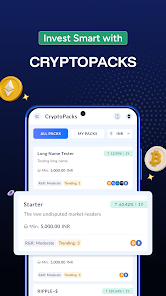
Crypto wallets do not store coins in the same way a physical wallet stores cash. Digital assets remain recorded on a blockchain, while the wallet manages the keys required to access and authorise transactions. This makes private-key protection one of the most important parts of wallet selection.
Users should compare wallets based on custody, recovery options, supported networks, transaction visibility and ease of use. They should also consider how often they plan to access their assets and whether they are comfortable managing security independently.
A trading app may provide an integrated wallet balance, but users should confirm whether the platform controls the private keys and whether external withdrawals are supported.
What a Crypto Wallet Actually Does
A crypto wallet allows users to interact with blockchain networks. It generates or manages the information required to receive funds and approve outgoing transactions.
Every wallet generally includes a public address and a private key. The public address can be shared with another person to receive cryptocurrency. The private key must remain confidential because it provides control over the associated assets.
Some wallets present a recovery phrase instead of displaying the private key directly. This phrase can restore wallet access if the original device is lost or damaged.
The wallet may also display token balances, transaction history, network fees and supported blockchain networks. More advanced wallets can connect to decentralised applications, staking services or token-swapping features.
Custodial and Non-Custodial Wallets
One of the first decisions is whether to use a custodial or non-custodial wallet.
Custodial Wallets
A custodial wallet is managed by a third party, such as a crypto exchange. The service controls the private keys and manages account recovery.
This approach may be easier for beginners because access can often be restored through identity verification, email or customer support.
However, users depend on the provider to protect funds, process withdrawals and maintain access to the platform.
Non-Custodial Wallets
A non-custodial wallet gives the user control over the private keys or recovery phrase. The wallet provider normally cannot recover access if the user loses these details.
This model provides greater control, but it also places full responsibility on the user.
A person who chooses a non-custodial wallet must protect the recovery phrase, verify transaction details and avoid fraudulent applications.
Hot Wallets and Cold Wallets
Wallets are also commonly classified based on whether they remain connected to the internet.
Hot Wallets
Hot wallets operate through mobile applications, desktop software or browser extensions. They provide convenient access for sending, receiving and using digital assets.
They may suit users who make regular transactions or connect to blockchain-based services.
Since hot wallets operate on internet-connected devices, they may face risks from malware, phishing and device compromise.
Cold Wallets
Cold wallets keep private keys offline. Hardware wallets are a common example.
They may be more suitable for users who plan to store assets for longer periods and do not need frequent access.
Cold storage reduces exposure to online attacks, but users must still protect the device, recovery phrase and transaction process.
Neither type removes all risk. The right choice depends on transaction frequency, asset value and personal security habits.
Security Features Worth Reviewing
The best crypto wallet should provide clear controls that help users protect access and verify transactions.
Recovery Phrase Protection
The recovery phrase should be generated securely and stored offline. It should not be saved in cloud storage, email, messaging applications or screenshots.
Anyone with access to the phrase may be able to restore the wallet and transfer the funds.
Biometric or Passcode Access
Mobile wallets may support fingerprint, facial recognition or passcode protection. These controls can help prevent immediate access if the device is lost.
They do not replace recovery-phrase security, but they add protection at the device level.
Transaction Confirmation
The wallet should display the receiving address, amount and network fee before a transaction is approved.
Hardware wallets may show these details on the physical device, allowing users to verify information independently from the connected computer or phone.
Open Development Information
Some users prefer wallets that provide clear technical documentation, security audits or open-source code. These details can help researchers review how the wallet operates.
Users should still verify that they are downloading the official application or software.
Supported Assets and Networks
A wallet may support one blockchain, several blockchains or a broad range of tokens. Users should confirm compatibility before transferring assets.
A wallet that supports Bitcoin may not automatically support Ethereum-based tokens. Similarly, a token may exist on multiple networks, but the wallet may support only one version.
Users should review:
- Supported cryptocurrencies
- Supported token standards
- Available blockchain networks
- Network switching options
- Custom token support
- Wallet import and export features
Sending an asset through an unsupported network can result in permanent loss or require a complicated recovery process.
A larger list of supported assets is useful only when the wallet handles those networks clearly and securely.
Transaction Fees and Network Costs
Most non-custodial wallets do not set blockchain transaction fees independently. Instead, fees are paid to network validators or miners.
The wallet may estimate the fee based on current network activity. Some wallets allow users to choose between slower and faster transaction speeds.
A lower fee may lead to a longer confirmation time. A higher fee may support faster processing when the network is busy.
Users should review whether the wallet clearly separates network fees from platform charges.
Some wallets may also charge for token swaps, purchases or third-party services. These costs should be visible before the transaction is approved.
Recovery and Backup Options
Wallet recovery is a major consideration, especially for non-custodial users.
The recovery phrase should be written down accurately and stored in a private location. Users may keep more than one secure physical backup, provided each copy is protected from unauthorised access.
The phrase should be checked during wallet setup to confirm that it has been recorded correctly.
Users should never enter a recovery phrase into an unknown website, support form or application. Fraudulent pages often claim that wallet verification or synchronisation is required.
A legitimate support representative should not ask for the full recovery phrase or private key.
Ease of Use and Interface Quality
A wallet should make balances, addresses and transactions easy to review.
The interface should clearly show:
- Available asset balances
- Selected blockchain network
- Receiving address
- Transaction amount
- Network fee
- Pending transactions
- Completed transaction history
Users should be able to identify whether they are sending, receiving or swapping an asset before confirming the action.
A complicated interface may increase the risk of choosing the wrong token or network. However, an overly simplified wallet should not hide fees or transaction details.
The best crypto wallet should make essential information visible without overwhelming the user.
Mobile, Desktop and Hardware Wallet Use
Different wallet formats serve different needs.
A mobile wallet may suit everyday transactions because it is accessible through a smartphone. Users should protect the device with a passcode, software updates and application permissions.
A desktop wallet may provide more screen space and additional controls. However, the computer should remain protected from malware and unauthorised access.
A hardware wallet stores signing information on a separate physical device. Transactions are generally approved through the device itself.
Some users combine wallet types. They may keep a smaller amount in a mobile wallet for routine use and a larger amount in offline storage.
This approach can separate convenience from long-term storage, although it requires careful management of more than one wallet.
Wallet Connections to Decentralised Applications
Some wallets can connect to decentralised exchanges, lending services, games and other blockchain applications.
Before connecting, users should confirm the website address and review the permissions being requested.
A wallet connection may allow an application to view an address or request transaction approval. In some cases, token approvals may grant permission to transfer a selected asset.
Users should avoid approving permissions they do not understand. They should also disconnect unused applications and review existing token approvals periodically.
Fraudulent applications may imitate legitimate services. Wallet users should confirm every transaction on the wallet screen rather than relying only on the connected website.
Common Crypto Wallet Mistakes
One common mistake is storing the recovery phrase digitally. A screenshot or cloud note can be exposed through a device or account breach.
Another mistake is downloading a fake wallet application. Users should verify the developer, official website and application listing before installation.
Some users send funds without checking the receiving address or blockchain network. Since transactions are generally irreversible, every character and network selection should be reviewed carefully.
Other mistakes include:
- Sharing private keys with support accounts
- Connecting to unknown websites
- Ignoring software updates
- Keeping large balances in an unprotected hot wallet
- Failing to test a new receiving address
- Approving unclear smart-contract permissions
- Losing the only backup of a recovery phrase
A small test transfer can help confirm the address and network before a larger transaction.
How to Compare Wallet Options
Users can begin by defining how the wallet will be used.
A long-term holder may prioritise offline key storage, recovery controls and limited internet exposure. A frequent user may focus on mobile access, supported networks and clear transaction fees.
A trader may prefer a wallet that integrates with an exchange, while a decentralised finance user may need application connectivity and token approval management.
The comparison should include custody type, wallet format, supported assets, recovery process, security features and transaction visibility.
Users should also review whether the wallet receives regular updates and provides clear support documentation.
No wallet should be selected only because it is widely promoted. The final choice should reflect the user’s technical knowledge, transaction habits and ability to manage private information.
When an Exchange Wallet May Be Suitable
An exchange wallet may be convenient for users who trade frequently and need quick access to their account balance.
The exchange generally manages private keys, wallet maintenance and transaction processing. Users access funds through an account password and other verification methods.
This can simplify recovery, but it also introduces platform risk. Withdrawals may be restricted during technical issues, verification reviews or service interruptions.
Users should check whether external withdrawals are supported and what limits or fees apply.
Keeping all assets on an exchange may not suit someone who wants direct control of private keys. Users should decide how much convenience they need and how much custody responsibility they are prepared to accept.
A crypto trading app may combine wallet and order-management features, but users should still review custody, withdrawal controls, supported networks and total fees.
Conclusion
The best crypto wallet depends on how the user plans to store and use digital assets. Custodial wallets may provide easier account recovery, while non-custodial wallets provide greater control over private keys.
Users should compare hot and cold storage, supported networks, security features, recovery options and transaction costs. They should also confirm every address, fee and permission before approving a transaction.
Wallet security depends on both the software and the user. Protecting recovery phrases, avoiding fraudulent links and testing new transfers can reduce preventable losses. No wallet removes every risk, but careful selection and responsible use can improve control over digital assets.